- 350 Orchard Road #08-00 Shaw House Singapore 238868
- +65 6776 2288
- [email protected]
- Mon – Fri 8:30am – 5:30pm | Sat 8:30am - 12:30pm | Closed on Sun & PH
Complete Healthcare International

Conditions
INSOMNIA
Symptoms & Insomnia Treatment
Insomnia is a sleep disorder characterised by difficulties falling asleep, staying asleep, or waking up feeling unrefreshed. It is typically classified as a medical concern when it is persistent or results in daytime dysfunction, despite having adequate opportunities for rest.
Chronic insomnia typically persists for more than three months. With advanced diagnostic tools and modern treatment methods, insomnia can often be effectively assessed and managed for improved sleep quality. We recommend consulting an experienced physician promptly to begin your path toward better sleep.
4.6 Stars
Rated 4.4 out of 5
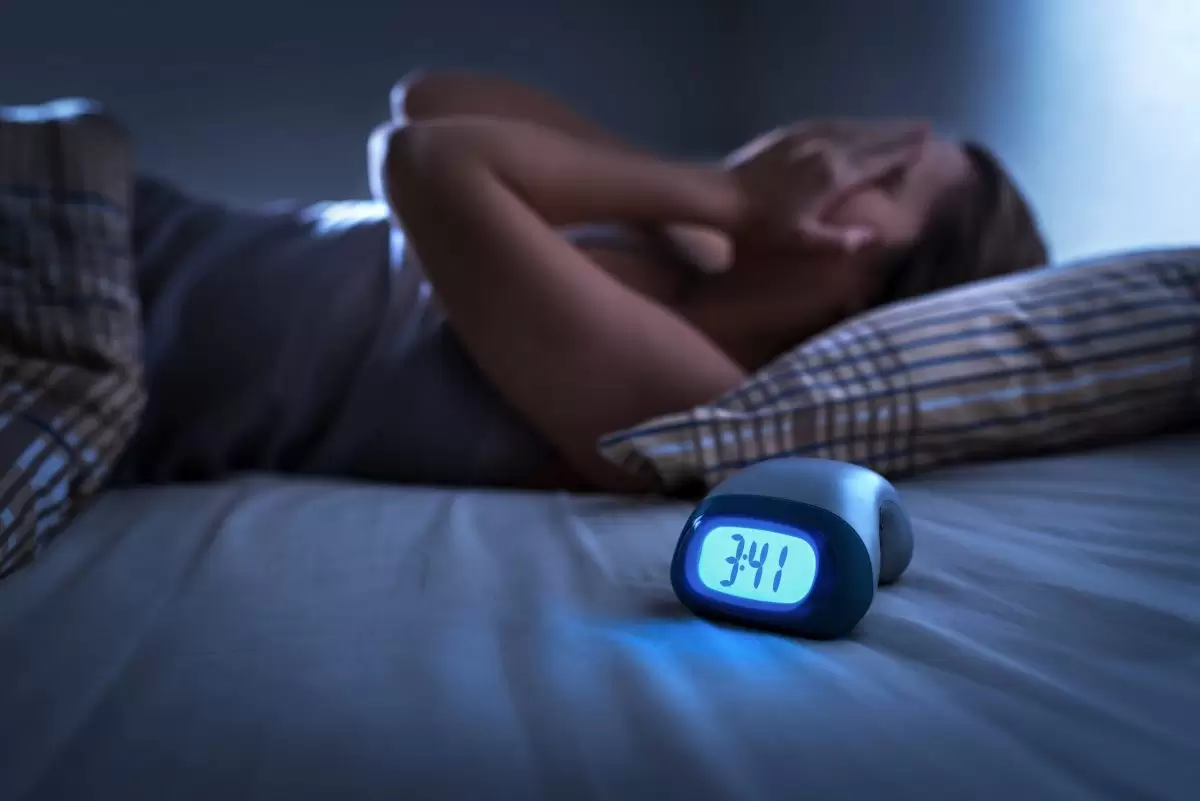
Understanding different insomnia types is essential to finding the cure for insomnia. Each classification helps identify the underlying cause and guides treatment strategies tailored to your specific sleep patterns.
By Onset & Duration
- Initial Insomnia (Sleep Onset Insomnia)
- Difficulty falling asleep (30+ minutes)
- Most common in stress-related cases
- Often linked to anxiety and hyperarousal
- The cure for insomnia of this type often involves stress management and CBT-I techniques
- Maintenance Insomnia (Sleep Maintenance Insomnia)
- Frequent nighttime awakenings
- Difficulty returning to sleep after waking
- Common in middle-aged and older adults
- Finding the cure for insomnia requires addressing underlying medical or lifestyle factors causing disrupted sleep
- Terminal Insomnia (Early Morning Awakening)
- Waking 2+ hours earlier than desired
- Often associated with depression
- Sleep quality may be normal until early awakening
- The cure for insomnia in this category frequently involves treating underlying mood disorders and circadian rhythm adjustment
By Underlying Cause
- Primary Insomnia
- No identifiable medical cause
- Related to sleep-wake cycle disturbances
- The cure for insomnia in primary cases typically focuses on cognitive-behavioural therapy and sleep hygiene optimisation
- Secondary Insomnia
- Related to medical conditions (thyroid disorders, pain syndromes, sleep apnea)
- Caused by medications (stimulants, corticosteroids)
- Associated with mental health disorders (anxiety, depression)
- The cure for insomnia requires treating the underlying condition, addressing the root cause is essential for lasting sleep improvement
MAIN CAUSES OF AN INSOMNIA
- Stress
- Irregular sleep schedule
- Poor sleeping habits
- Mental health disorders like anxiety and depression
- Physical illness and pain
- Medications
The rash is created by the body’s release of histamines & other chemical messengers into the skin, in response to a trigger (allergen, infection, temperature change, or medication). The skin responds by opening up the blood vessels & releasing fluid into the tissues.
SYMPTOMS
- Loss of energy or interest in doing things
- Making mistakes easily
- Forgetting things or have trouble thinking clearly
- Worrying about their lack of sleep
- Feeling cranky, anxious, irritable, or depressed
WHEN SHOULD I VISIT A DOCTOR?
At CHI, we recognize that the cure for insomnia is not one-size-fits-all. Our physicians conduct thorough diagnostic assessments to classify your insomnia type and underlying cause, then develop a personalized treatment plan combining behavioral strategies, functional medicine assessment, and targeted interventions. Whether your insomnia is acute or chronic, we’re here to help you reclaim restorative sleep. Book your consultation today.
WHAT WILL THE DOCTOR DO ?
For patients experiencing insomnia or related symptoms, our physicians will first obtain a comprehensive medical history, followed by a thorough physical examination. Blood tests (including thyroid function, glucose levels, or iron studies) may be ordered to identify underlying causes. We also routinely screen for anxiety and depression, as these often impact sleep quality. If obstructive sleep apnea is suspected, a polysomnography (sleep study) may be recommended. Do not delay your recovery; contact us today to find a lasting solution for insomnia.
Need help?
Call us today to speak to our friendly team.


Register Your Family
CONDITIONS
Frequently Asked Questions
If sleep problems occur 3+ nights per week for 1+ month, book an appointment. Seek immediate help if insomnia is affecting your daytime work, mood, concentration, or if you’re experiencing early morning waking with depression symptoms. Early treatment prevents chronic insomnia from worsening.
Most insomnia cases don’t require sleep studies. Your doctor will review your sleep history, perform a physical exam, and may order blood tests to check for thyroid issues, diabetes, or depression. Sleep studies are only recommended if sleep apnea is suspected based on your symptoms.
Yes. Start with CBT-I (cognitive behavioral therapy for insomnia), sleep hygiene improvements (avoid caffeine after 2 PM, no screens before bed, keep the bedroom cool), and stress management techniques. Medication is only considered if lifestyle changes don’t improve sleep after 4–6 weeks of consistent effort.